The rise of HDD in Bulgaria
A jobsite visit with Actus and GBS Energy
When we land in Sofia, we immediately feel the pace of a country that’s developing fast. Heavy trucks thunder along the only route that allows large transport towards the airport. The same road takes us straight to Actus, our SiteTec dealer in Bulgaria. Half an hour later we arrive at their yard: a small office with warm colleagues, a service workshop, and an open storage area where machines stand ready for their next job. “It could be a bit bigger,” Tony admits. “We’re still waiting for the building permit. But for our customers, this location works perfectly.”
Delivering the complete HDD-package
Actus, has grown into a trusted partner for HDD contractors across Bulgaria and western Romania – a region closer to Sofia than to Bucharest, which is why many machines come to their yard for maintenance. Besides horizontal directional drilling, the business is also active in earthmoving and in the sales and rental of excavators. With Sales Manager Tony at the helm, the team brings together practical field experience and a clear understanding of what contractors need in challenging ground conditions. And with the recent addition of SiteTec equipment, Actus now supports customers with a complete package.
The future of trenchless
HDD in Bulgaria is still building its foundation, but the need for new underground infrastructure is enormous. Many pipelines date back to the communist era: built quickly, poorly documented and in many places heavily damaged. Tony explains that drinking water pipelines are the biggest concern. On some routes, up to 80% of the water is lost due to leakage. Relining seems logical but is often impossible: the pipes are too small, deformed or damaged. Many are asbestos-cement lines, laid decades ago with outdated machinery, which makes their exact location uncertain.
Driving south, we notice something else: hardly any wind turbines or solar fields. Renewable energy is only just starting here which means there’s plenty of potential. But investments take time. Tony expects funding to go first towards energy production, not underground infrastructure.
One thing is clear: he loves his country. “I wouldn’t want to work anywhere else,” he says. “Even though Bulgaria has its own way of doing things. We like to solve problems ourselves, the way we have always been doing it. New techniques sometimes need a bit more explanation and patience.”
“Renewable energy is only just starting here which means there’s plenty of potential.”
A 300-ton rig for a complex project
Still, the sector is moving fast. Big contractors like GBS Energy Solutions, part of Glavbolgarstroy, seek cooperation with experienced suppliers when projects become truly complex. That is certainly the case for their latest assignment: part of the Vertical Gas Corridor, where tough terrain and strict technical demands come together.
Almost half of the 61-kilometre Rupcha–Vetrino loop (1,200 mm diameter) runs through mountainous terrain along the Aytos Pass. The route crosses roads, railway lines and more than 25 deep ravines. One of the most demanding drills goes underneath the Hemus motorway. On top of that, three HDD crossings are being constructed under the Golyama Kamchiya, Provadiyska and Glavnitsa rivers.
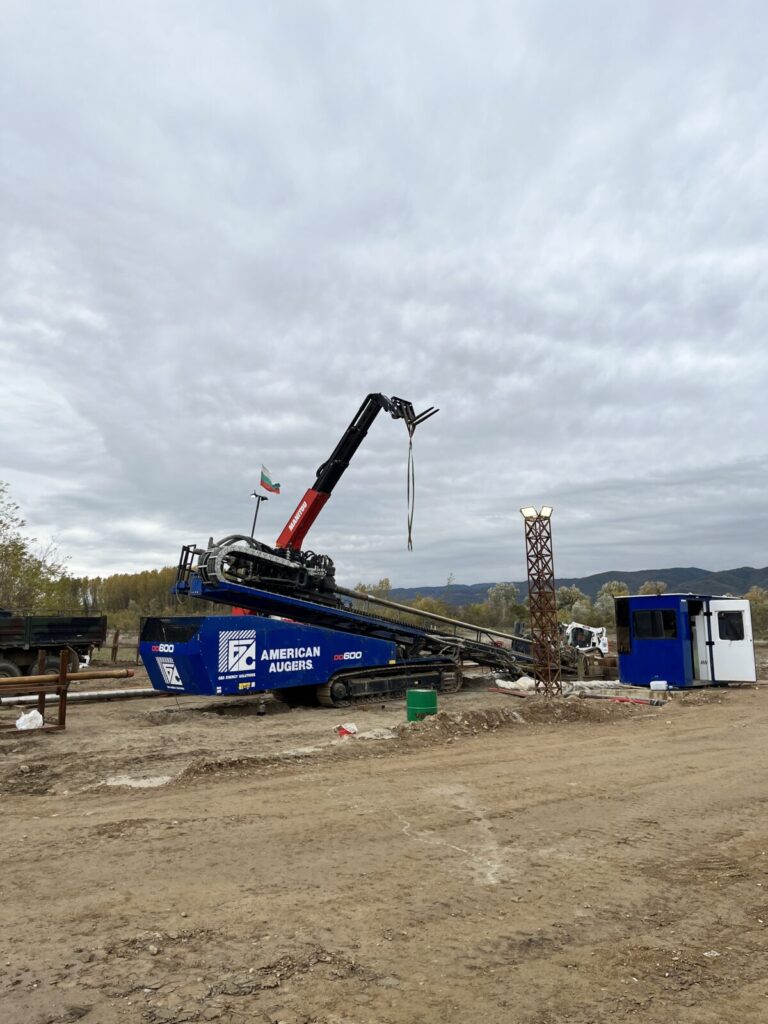
For this scale of work, high-end equipment is essential. That’s why GBS chose the American Augers DD600: a 300-ton HDD rig and the first of this size in the Balkans. The nearest comparable machine is in Germany, fully booked until the end of 2026. That says enough about the value of having this technology available in Bulgaria.
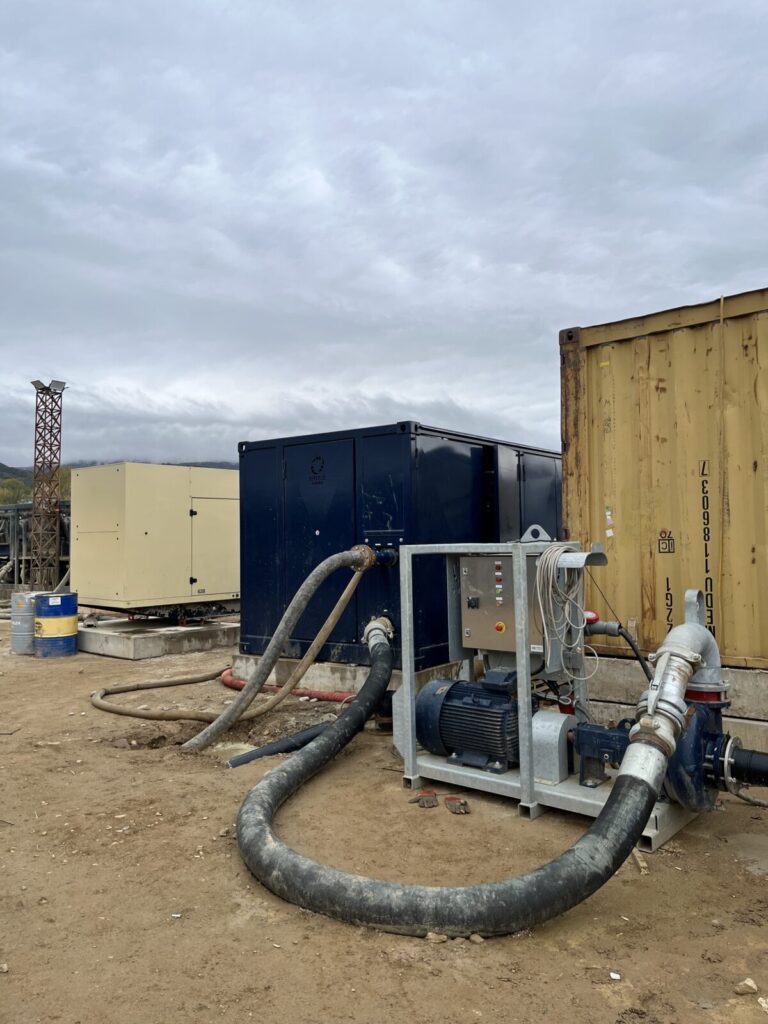
A rig like the DD600 requires a full support system: high-pressure pump, bentonite recycling and mixing setup, and specialised tooling. For this project, GBS selected a complete SiteTec package, delivered by Actus. Time to see how it performs in the field.



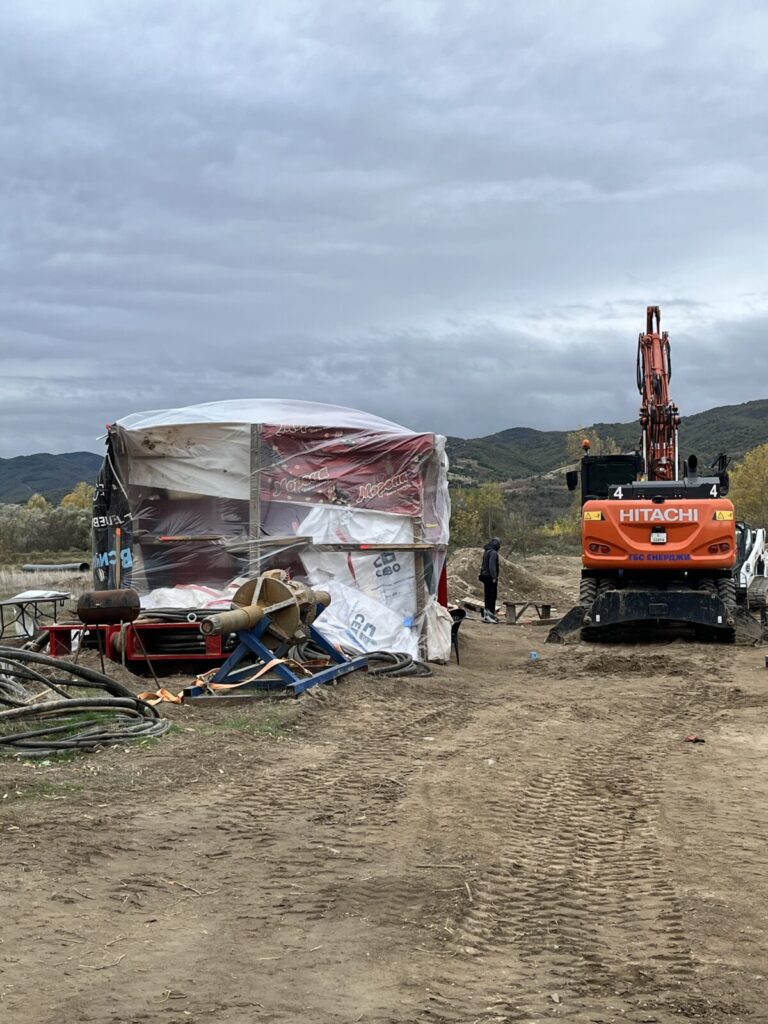
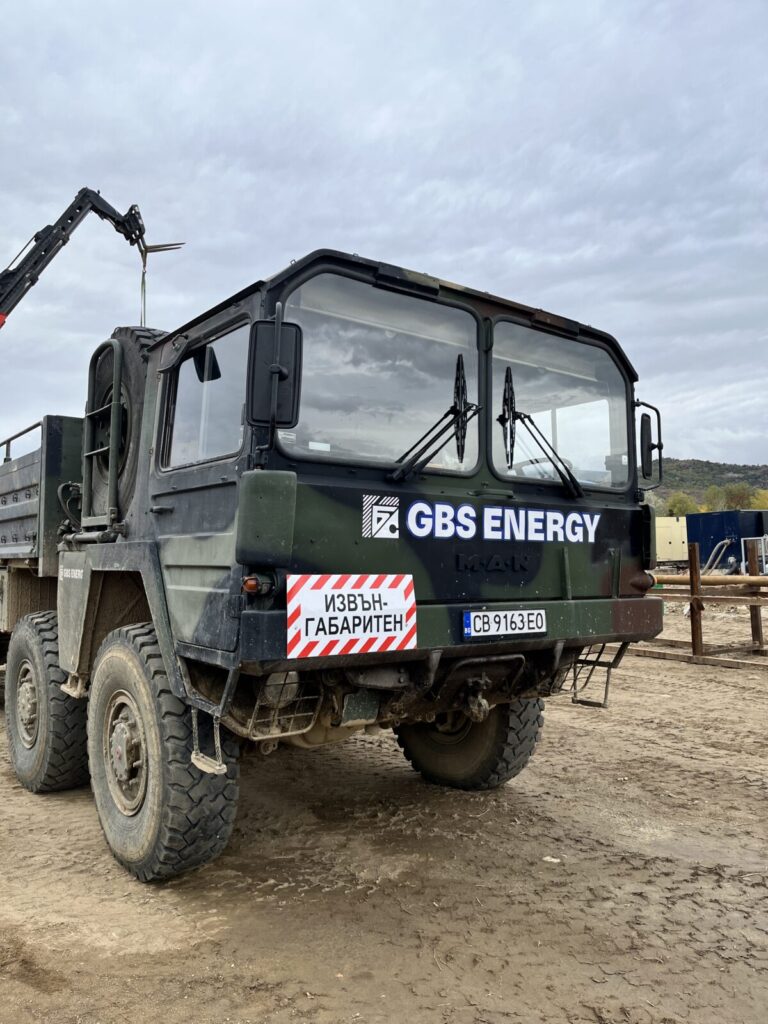

Equipment in Bulgarian conditions
We travel to Kresna, one of the sections along the Struma River where the Vertical Gas Corridor is under construction. The route winds through narrow mountain roads – the same roads the DD600, all standalone systems and the SiteTec units had to pass earlier. For the crew, it’s routine. Along the way we pass a shepherd with his goats; later he reappears, sitting on the huge pipes that will soon disappear underground.
On this jobsite, GBS Energy is working on the fourth crossing of the gas connection between Bulgaria and Greece: a 36-inch, 700-metre bore. The pilot is completed and the reaming is in full swing. Geology changes constantly: gravel layers, hard sand, sticky clay and boulders the size of helmets.
“On this jobsite, GBS Energy is working on the fourth crossing of the gas connection between Bulgaria and Greece.”
For the pilot, the crew uses a mud motor for precise steering. During reaming, they switch between fly cutters and hole openers, depending on the formation. Coubble blocks the cones, clay clogs everything, and boulders cause pressure spikes that require immediate action. The R3000 recycling unit runs continuously to keep mud stable at around 1.1% sand content.
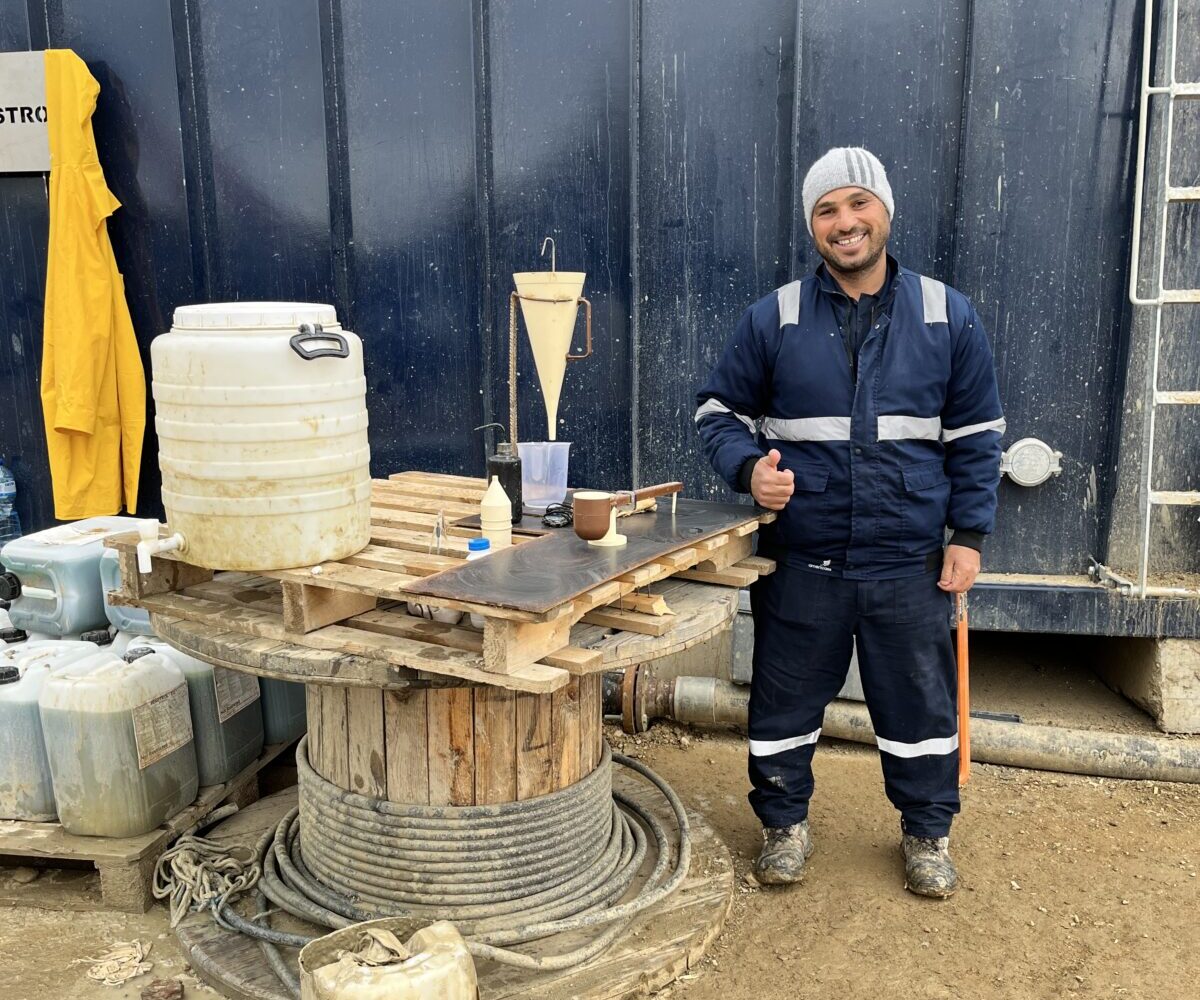
GBS works here with our P3000 high-pressure pump, the R3000 recycling unit and the ST2000 mixing unit, all with generators. The crew is enthusiastic, mainly because this compact setup is far more efficient than their previous system with open lagoons, where mud constantly evaporated in the summer heat.

Building an international team
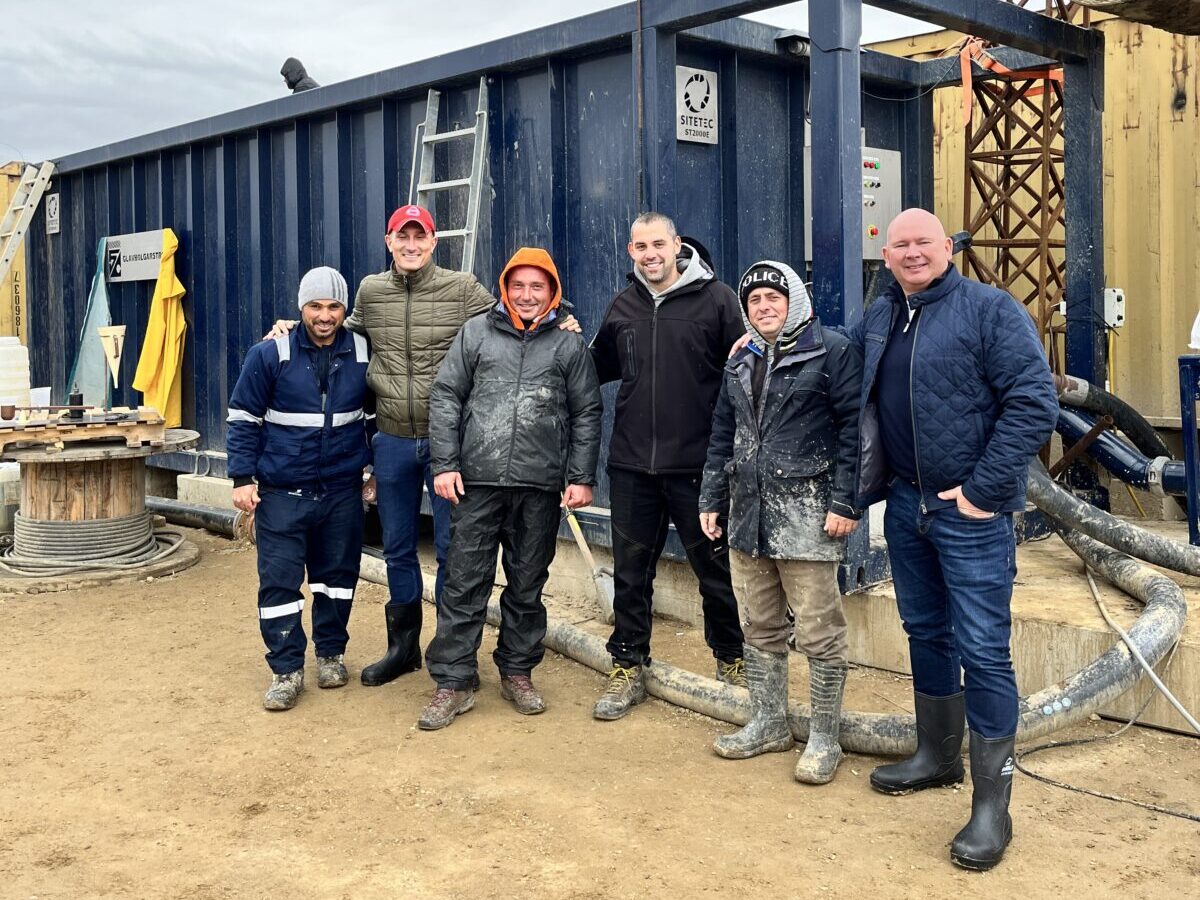
The GBS Energy crew consists of Egyptians, Bulgarians and two Nepalese helpers who work full-time at the recycling unit. Despite language barriers, the team works surprisingly smoothly. “Sometimes it even helps that we don’t understand each other perfectly,” jokes project manager Iliya. “Then we just solve it without discussion.”
GBS is truly pioneering here. No other drilling company in Bulgaria dared to take on these risky HDD crossings with little experience. Iliya took the challenge anyhow, partly because he could rely on Tony’s expertise. “Tony did much more than deliver equipment,” he says. “He helped with the design, the right tools, the soil data and training operators.”
“My dream? Working with a bigger maxi rig!”
That support blends seamlessly with the experience already present on site. The crew relies on the skills of three Egyptian drillers who have earned their stripes on HDD projects worldwide. All men who pass on their knowledge to the Bulgarian team with patience, confidence and a big smile. Abdul, the drill master, has been in the trade for nearly thirty years. “This work is in my blood,” he says enthusiastically. “And I really enjoy the teamwork, even without speaking the same language.”
The crew works in rhythms of 30 days drilling and 7 days relocating. It took almost half a year before everyone was fully in tune. But now, Iliya is clearly proud of the crew he has built. His own ambitions go beyond this project. “My dream? Working with a bigger maxi rig,” he says. “And maybe on projects outside Bulgaria. HDD is still in its early days here. Great to build up, but the big challenges are sometimes elsewhere. A landfall would be amazing.”
The right mindset
The next steps for HDD in Bulgaria depend on future investment and priorities. But the foundation is there: knowledge is growing, teams are getting stronger and projects are becoming more complex. HDD has room to grow here and, perhaps even more importantly, the people with the mentality to make it happen. As Iliya puts it: “We had no experience, so we learned by simply doing it.
You might like to read...

How to keep your HDD equipment in good condition during winter
Winter conditions can damage HDD equipment fast. Discover practical tips to prevent frost damage, protect components and avoid costly downtime.

Why would a vertical well operation use an HDD mixing unit?
This jobsite visit with WellGear shows exactly when HDD equipment becomes the smarter choice. From heavy pills and high-precision mixing to wells with no built-in hopper, the SiteTec M2000E proved its value in a geothermal plug-and-abandonment project.
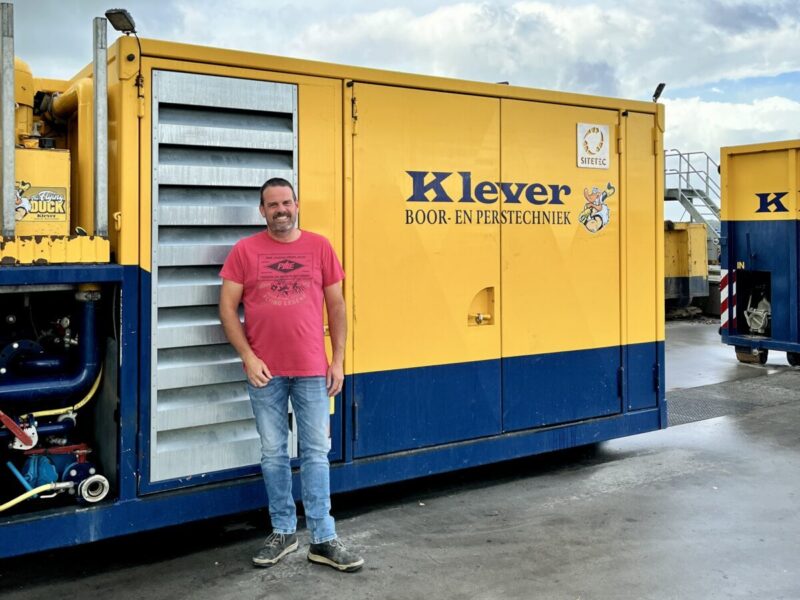
A Dutch drilling company with it’s own style in equipment management – and a debut
What does HDD-equipment management look like when a drilling company develops its own style and dares to say goodbye to the sling? Dominik den Butter shares how safety, pride and innovation come together at Klever Boor- en Perstechniek.

Dry, drier, driest: advanced solids control with the RD1500E
A good recycling unit is key in HDD. The RD1500E was developed with input from Welvreugd and built in close collaboration with Derrick, with a clear focus: effective solids control in sand-heavy soils.
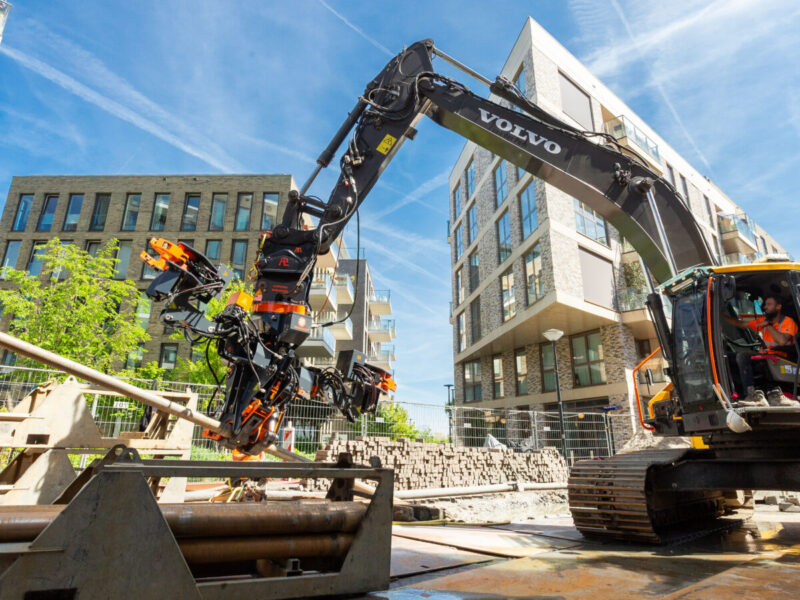
Klever introduces the Tonghand on site – Smarter drilling in the Netherlands
Bart van der Perk mounts the LaValley Tonghand on his excavator and finishes the job two days faster – using forward reaming, right in the middle of a narrow Amsterdam street.

Full-electric HDD in the heart of horticulture
When horticulture pushes for sustainability, infrastructure has to follow. This is how Welvreugd, powered by electric HDD-equipment, is making it happen beneath the greenhouses of the Dutch Westland.

Jobsite visits and training: empowering Bulgarian dealer Actus to provide effective support to their customers
Our dealers speak your language and are familiar with your local working methods and conditions. Equally important, they know how our products are designed, built and maintained. How? By hands-on training and jobsite visits.
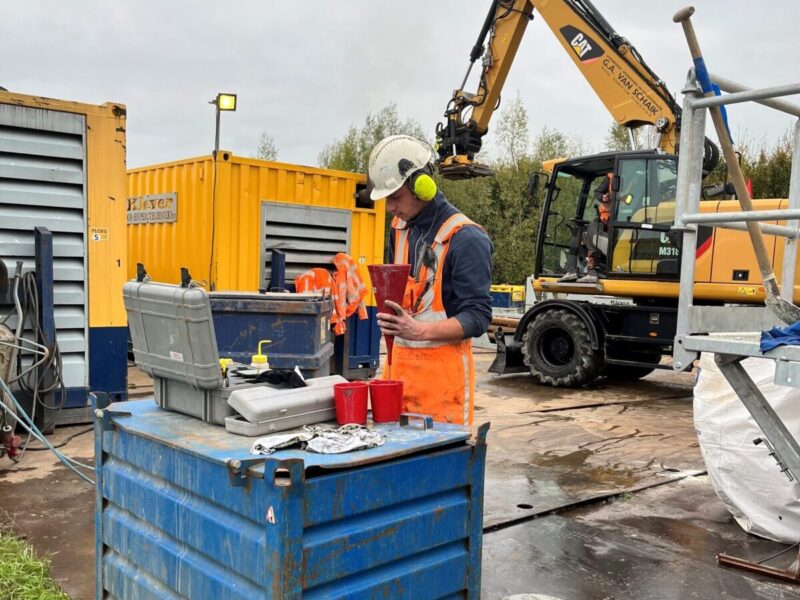
The key to a successful bore is your drilling fluid: 5 tips from mud specialist Marcel Bijleveld
The investment in bentonite for an entire HDD jobsite might be only 2%, but drilling fluid is just as important as the drilling rig itself. A well-designed drilling fluid system not only ensures stable bores but also optimizes the recycling of drilling fluid.
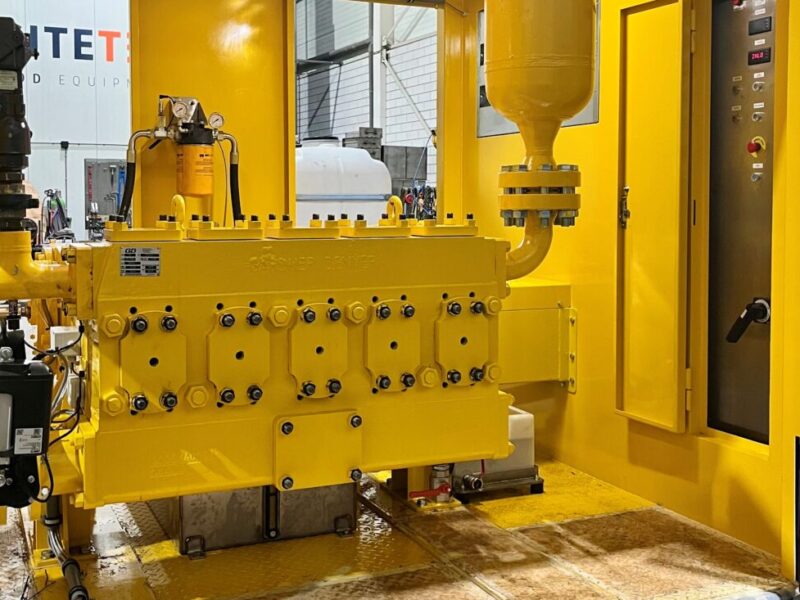
800HP of efficiency: GD Energy Products powering SiteTec’s pumping unit for Klever
As drilling crews start demanding more efficiency every time, maximum horsepower is needed. Read all about our collab with GD Energy Products and Klever.
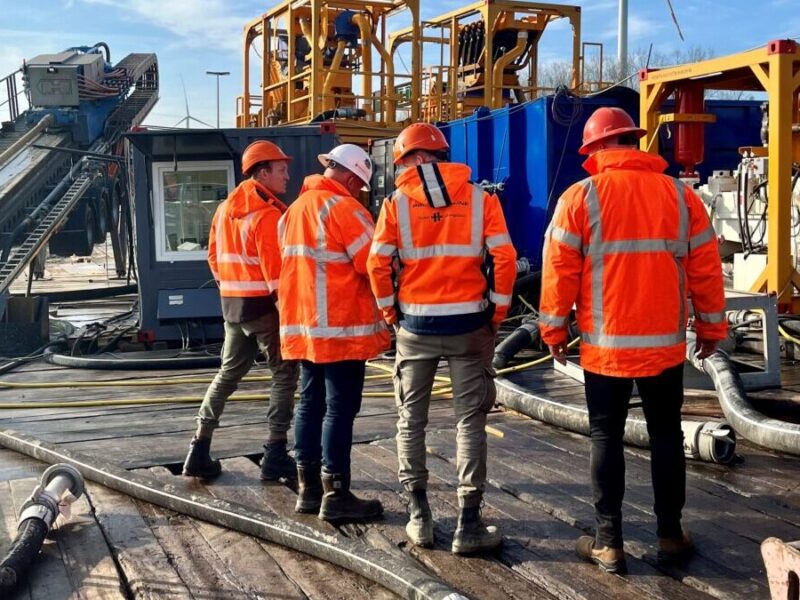
Sharing insights: Jobsite visit in Belgium with Swiss drilling company
This Swiss drilling company prioritises safety and efficiency. Curious about the application of our LaValley Tonghand we took them to two jobsites in Belgium.
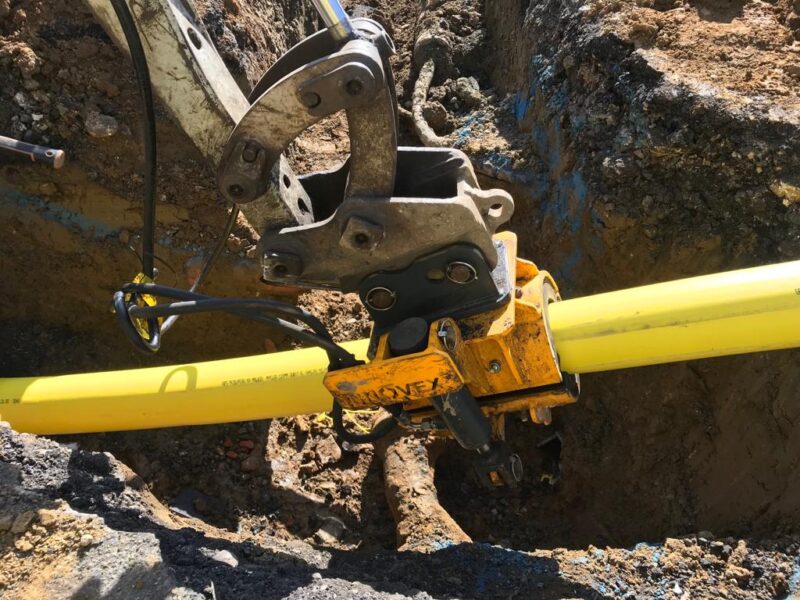
Ready to boost safety and efficiency on your jobsite? Introducing the Innovex Pipe Pusher.
The Innovex Pipe Pusher is a groundbreaking tool that eliminates manual handling entirely. Discover how it’s redefining trenchless projects.

Transformative innovations at SiteTec: everything you should know
An open and inspiring interview with owner and enthusiast Corné Willemsen on how your feedback drives all innovations at SiteTec.
Used units in the picture!
Interested in buying a used drill rig? We put our used units in the picture,…
In touch with our customers, Van Vulpen!
As a machine builder we believe the right way to keep in touch with our…
Proud to present this R1500E recycling unit!
Proud to present this R1500E recycling unit, specially designed for our British customer OCU Trenchless….
In touch with our customers, UK version!
As a Dutch marketing and communication manager working in the HDD Industry I get to…
The safest, most effective material handling tools of today and tomorrow.
In times where health and safety is more relevant than ever; SiteTec is always looking…